

Turn Student Ideas Into Real Startups
A founder-led system your students will actually use.
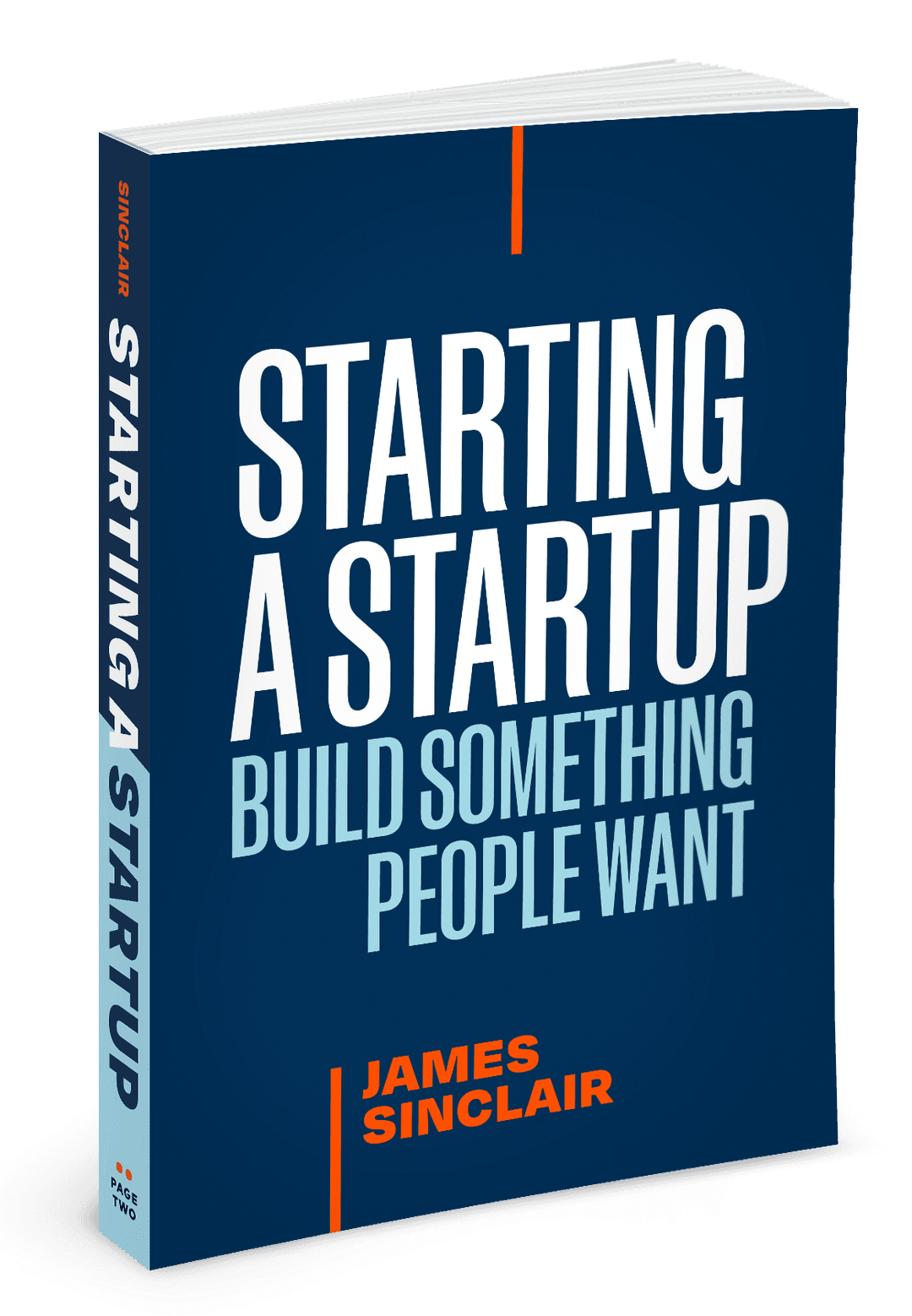
The book is the gateway.
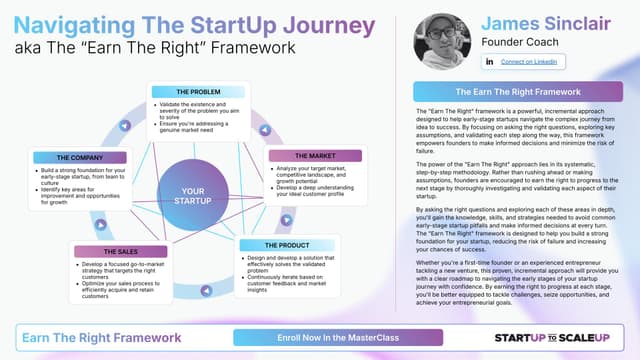
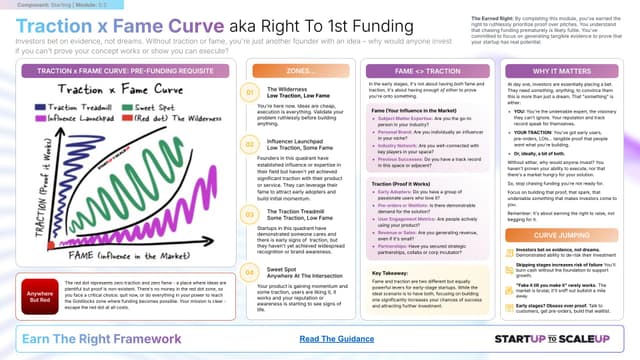
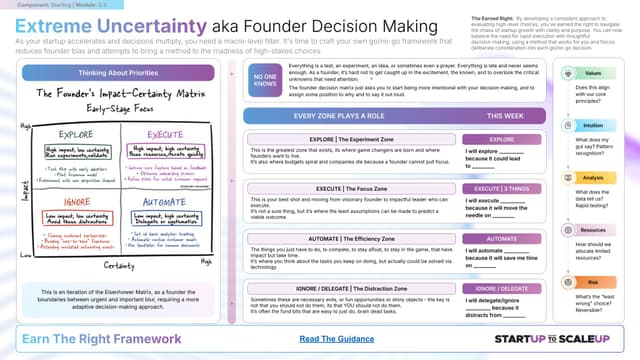
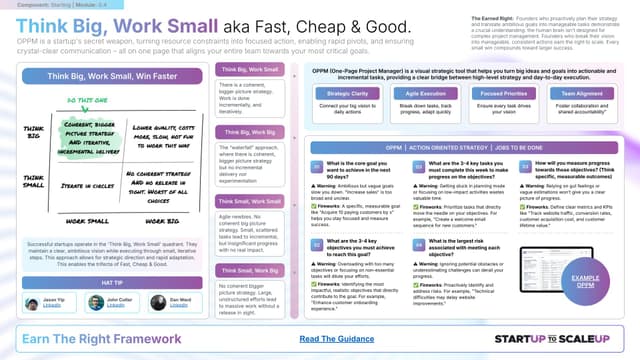
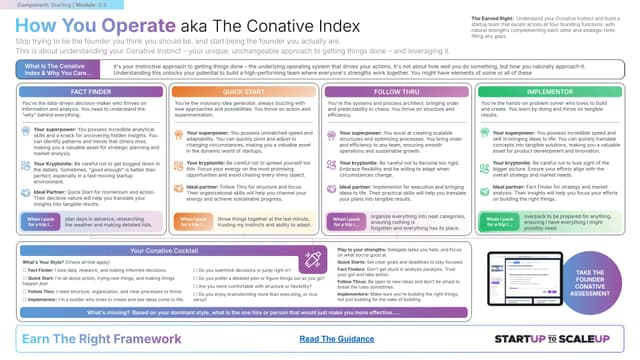
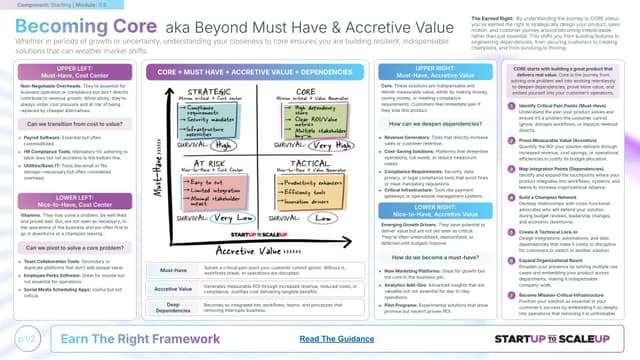
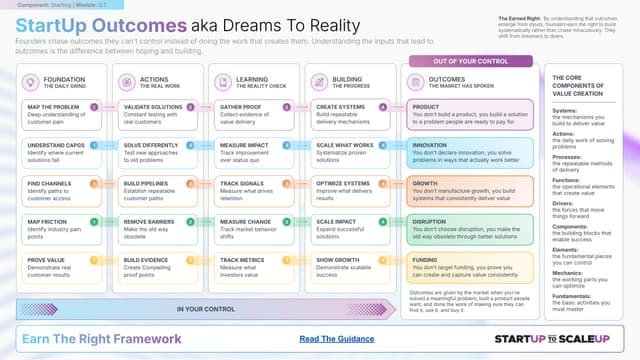
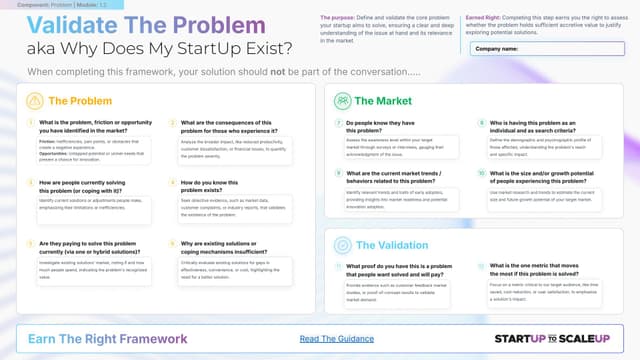
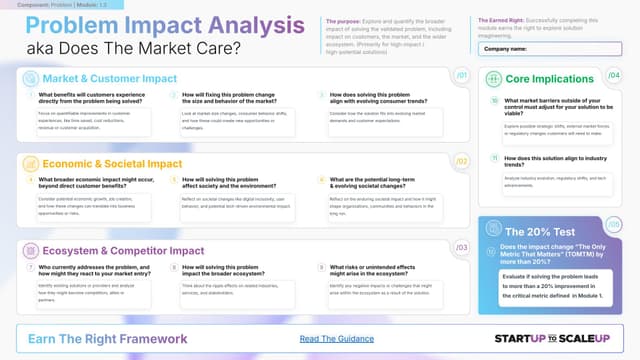
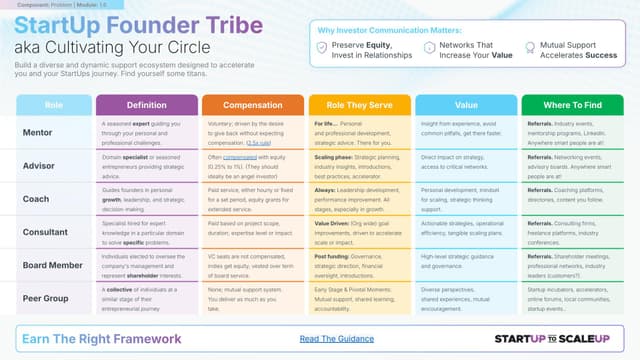
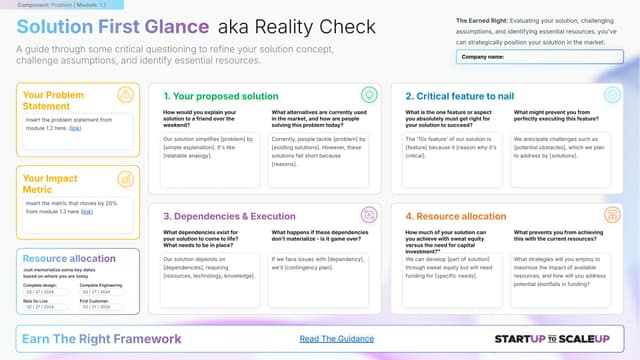
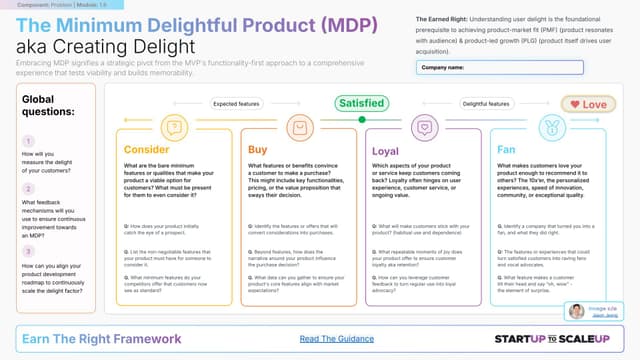
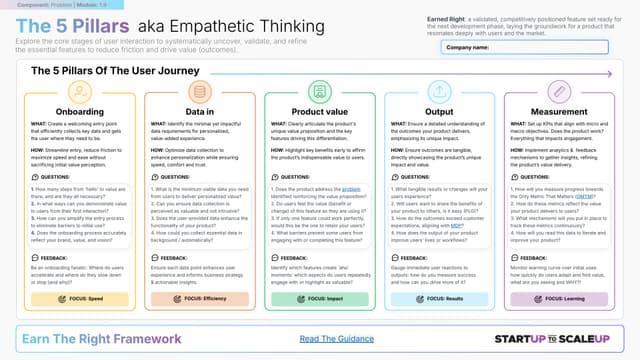
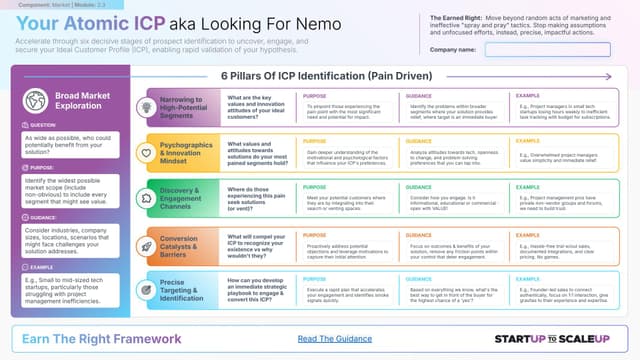
The frameworks are the engine.
The sessions turn ambition into action.




Why Your Program Should Bring This In
Universities give students the foundation: structured thinking, academic rigor, and a safe space to experiment.
What I bring is the applied layer, the operating system founders actually use to go from nothing to something.
Most student ideas stall not from lack of talent, but from lack of pattern recognition:
- What makes a customer real
- What validation actually looks like
- How to design a simple GTM motion
- Where the risk is really hiding
- What not to waste time on
That's the gap this work fills.
Your program provides the foundation; I provide the traction layer.
The book and Earn The Right frameworks have been downloaded 1M+ times and are used by real founders across SaaS, med-tech, DTC, B2B, consumer, and deep-tech. Bringing this into your course gives students tools that survive outside the classroom.
The goal is simple: Students who can turn an idea into something real, quickly.
Three Ways We Can Work Together
Flexible. Zero admin lift. Designed to plug directly into any course, accelerator, club, or capstone.
Option A: Desk Copy + Student Spark Challenge
The simplest, most engaging entry point.
Faculty Desk Copy
I send you a complimentary copy of Starting a Startup.
Run a Spark Challenge
You pick the format: validation, interviews, prototypes, pitches, or simply pick standout teams.
Finalist Rewards
I provide 3–5 free student books.
Winner Coaching Call
The winning individual/team gets a private session where we build:
- • their commercialisation path
- • model
- • validation roadmap
- • first GTM motion
- • 3–5 steps they can execute immediately
Outcome: Memorable, fun, high-impact. You add momentum without altering your curriculum.
Option B: Live Class Session + Office Hours
Faculty Copy (Free)
One Live Session (60–90 minutes)
Choose the focus:
- • Idea → First Paying Customer
- • GTM in 90 Days
- • Startup Commercialisation Bootcamp
- • How to Validate Before You Build
- • Earn The Right: What Matters Early
Direct, founder-to-student, applied in real time.
Office Hours
Drop-in strategy time: students bring ideas, projects, interviews, early traction, and we refine, stress-test, and plan.
Outcome: A full-class lift in one session.
Option C: Hyper-Interactive Commercialisation Workshop
Students bring their ideas. We build their commercialisation outputs live.
Modeled after the commercial accelerator workshops I run for med-tech and deep-tech spinouts.
Students arrive with an idea, prototype, or capstone.
We work through a structured commercialisation pipeline:
- • early customer profile
- • risk map
- • value hypothesis
- • validation path
- • model
- • GTM motion
Teams leave with a real commercialisation plan, not a theoretical exercise.
Outcome: Highest engagement. Real outputs. Creates long-term program momentum.
What Students Will Learn
These are career skills, not just startup skills.
Why This Works (Alongside What You Already Teach)
You bring the academic foundation. I bring the founder operating system.
Together, students get the complete picture.
- It adds the applied layer without changing your curriculum.
- Students get immediate, practical feedback based on real founder pattern recognition.
- You stay in control, this is support, not replacement.
- Your program stands out as the one that actually helps students build something real.
Who This Is For
If your students build, pitch, test, design, or dream, this fits.
Blackstone LaunchPad Universities: Read This
If your school is part of the Blackstone LaunchPad network, you can run any of these programs immediately with zero lift.
LaunchPad programs have already used these frameworks to:
- run fast, founder-grade student competitions
- level-up capstone and club teams
- give students real commercialization clarity
- provide hands-on GTM guidance without overloading faculty
- create high-engagement events with minimal admin
I understand the LaunchPad environment: the need for activation, repeatable programming, and visible student wins across cohorts.
If you're a LaunchPad campus, mention it when you email me.
I'll tailor the session, challenge structure, and coaching format specifically for your student profile and LaunchPad goals.
For University Tech Transfer & Commercialization Offices
TTO and commercialization teams face a different challenge: helping innovators translate research into something the market can actually adopt.
This workshop and framework set is built for exactly that moment, when a researcher, PI, grad student, or postdoc needs clarity on:
This is the same process I run with med-tech and deep-tech spinouts: structured, high-interaction, and built to create real commercial outputs.
If you're part of a university TTO or commercialization office, mention it when you reach out.
Why Me

I'm James Sinclair, author of the Amazon bestseller "Starting A Startup: Build Something People Want."
I've built and exited multiple companies across software and services.
My frameworks for early-stage thinking, customer discovery, and GTM have been downloaded over one million times and are used by founders in the wild every day.
I work closely with med-tech, deep-tech, and software teams to help them figure out what they've built, who it's for, what the market cares about, and how to turn complex ideas into clear, executable commercial paths.
Right at the early stage, where uncertainty is highest, where the science or the concept needs translation, where you're trying to prove commercial viability, that's where I operate best.
I've lived that ambiguity. I know how to turn it into clarity, momentum, and signal.
This is your journey.
My role is to bring everything I know, map the scenarios, challenge assumptions, and help your students see the model, the market, and the path that aligns with reality.
How to Bring This Into Your Program
Simple. No forms. No process. Just reach out.
Email me.
Let me send you a complimentary faculty copy.
Tell me what you have in mind for your class, program, or student group.
Everything starts from that conversation.
No other CTA. No friction.